
How to Prepare Your Home for the Arrival of an Adopted Pet: Resources and Practical Tips
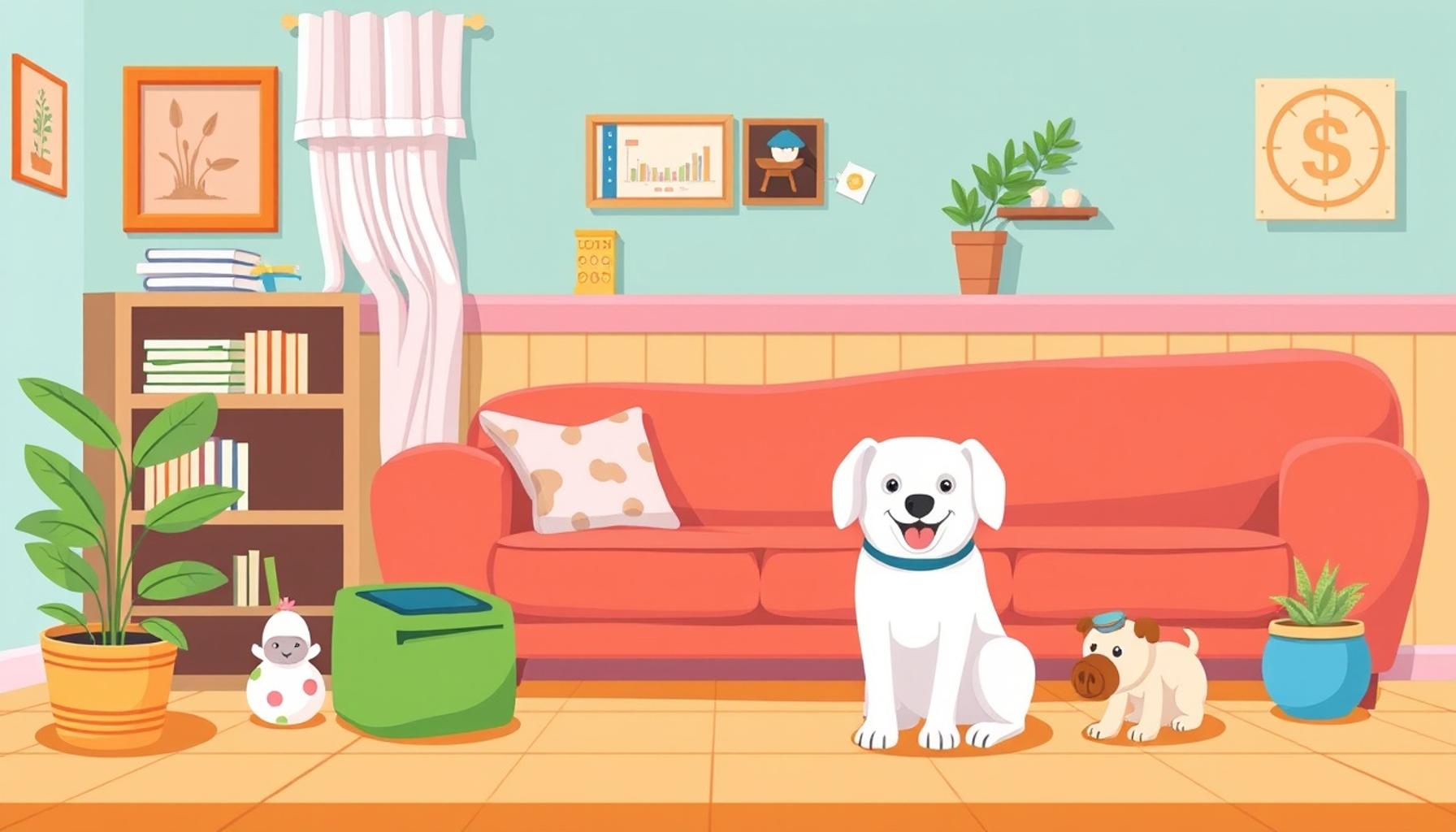
Preparing for Your New Furry Family Member
Bringing an adopted pet into your home is a rewarding experience, filled with happiness and companionship. However, it requires careful consideration and preparation to ensure a smooth transition for both you and your new friend. With the right approach, you can create a welcoming environment that makes your pet feel right at home.
To assist in this journey, here are some essential steps to consider:
- Understand Your Pet’s Needs: Every pet has its own unique set of needs, dictated largely by its breed and personality. For example, high-energy breeds like Border Collies require significant physical and mental stimulation, while more laid-back breeds such as Bulldogs may thrive in a calmer environment. Researching breed-specific traits can help you anticipate behaviors and prepare appropriately. Additionally, always be aware of your pet’s age, as puppies and kittens typically have different needs than senior animals.
- Pet-Proof Your Home: Your home environment should be a safe haven for your pet. Before your furry friend arrives, take the time to secure hazardous materials, like cleaning supplies and gardening tools, which can be poison for your curious pet. Ensure that electrical cords are out of reach or covered up. It might also be a good idea to check your plants; some common houseplants such as lilies and azaleas can be toxic to pets.
- Create a Safe Space: Transitioning to a new home can be overwhelming for a pet. Designate a quiet area where your new friend can acclimatize without feeling overwhelmed by noise or chaos. This could be a cozy corner in your living room or a separate room with their bed and a few toys. Having a retreat will help your pet feel secure as they adjust to their new surroundings.
- Gather Necessary Supplies: Before your pet’s arrival, ensure you have all necessary supplies ready. This includes food and water bowls, a comfortable bed, engaging toys, and grooming tools suited to your pet’s needs. Don’t forget to purchase high-quality pet food tailored to your new pet’s age and health needs. Providing these essentials early can make a significant difference in how quickly your pet feels comfortable in their new environment.
Many animal shelters and rescue organizations offer valuable resources for new pet owners, including training tips and advice on diet and behavior. Engage with these resources, attend workshops, or even consult with a veterinarian to ensure you have the right information to foster a loving and lasting relationship with your furry friend. Engaging with the community of pet owners can also provide insights and camaraderie, making your transition smoother.
As you prepare for this exciting new chapter, remember that patience and understanding are key. Every pet adjusts to new environments at its own pace, and your efforts in creating a comfortable home will lay the foundation for a loving relationship. Take the time to bond and observe your pet’s behavior, signaling your commitment to their happiness and well-being. Ultimately, the journey of welcoming a new furry family member is as rewarding as the companionship it brings, promising years of love and loyalty ahead.
Creating a Comfortable Home Environment
As you prepare for the arrival of your new adopted pet, it is essential to focus on creating a comfortable and secure environment that will help foster a sense of belonging. This process not only benefits the pet but also enhances the overall experience for you as a pet owner. A well-prepared home makes the transition easier and sets the stage for a happy partnership.
Assessing Your Living Space
Start by taking a thorough inventory of your living space. Consider the layout and how it may affect your pet’s experience. Areas with sufficient space for play, exploration, and relaxation are crucial. If you live in an apartment, think creatively about how to maximize your available space, such as using vertical platforms for climbing cats or engaging toys for dogs to enhance their activity level.
Furthermore, monitor your household traffic. If members of your family frequently come and go, consider how this might affect your pet’s comfort. Ensure there are secure barriers, like baby gates, to prevent them from accessing areas that could cause stress or danger, such as staircases or the front door.
Raising Awareness of Allergies
It’s crucial to recognize that allergies can affect both humans and pets. Before bringing your furry friend home, evaluate family members for potential allergies to pet dander or hair. Proper preparations might involve investing in air purifiers that help reduce allergens or establishing pet-free zones in your home.
Sourcing Quality Products
Once you’ve critiqued your space and assessed potential allergy concerns, it’s time to gather the impending essential supplies to ensure your pet’s happiness:
- Food and Water Bowls: Choose durable, easy-to-clean bowls that suit your pet’s size and breed.
- Quality Pet Food: Research the best nutrition tailored to your pet’s specific needs. Many local pet stores or veterinarians can guide you to make appropriate choices.
- Comfortable Bed: A cozy, size-appropriate bed is essential for your pet’s resting needs. An inviting sleeping area helps create a sense of safety.
- Toys: Engaging toys that cater to your pet’s play style will provide mental and physical stimulation, crucial for their wellbeing.
- Grooming Supplies: Depending on your pet’s fur type, include brushes, combs, and nail clippers to maintain their hygiene and comfort.
Many pet supply stores and online retailers offer helpful tools and expert advice for new pet owners. For instance, companies often host community workshops on pet care basics, which can be an invaluable resource.
Equipping yourself with essential knowledge promotes a smooth transition, providing both you and your new pet with the foundational support needed for a loving relationship. As you navigate this exciting journey, remember that the preparation phase sets the tone for years of joy and bonding ahead.
Creating a Safe and Welcoming Environment
Preparing your home for an adopted pet goes beyond purchasing supplies; it fundamentally includes creating a safe and inviting environment. First and foremost, consider your pet’s needs. Different species and breeds have varying requirements, so tailoring your space to accommodate them is crucial. Start by decluttering your living space. Remove any hazards such as small objects, toxic plants, or unsecured cords that could be harmful to curious paws. Creating a designated space is also vital. Choose a quiet corner for your new furry friend, equipped with a comfortable bed, food and water bowls, and a few toys. This area serves as a refuge, helping them acclimate to their new surroundings.Additionally, consider pet-proofing your home. Install childproof latches on cabinets to keep cleaning supplies out of reach and ensure all windows and balconies are secure. This proactive approach can prevent accidents and provides peace of mind for pet owners.Finally, engage the entire family in this preparation process. Discuss roles and responsibilities, ensuring everyone understands how to interact with and care for the new member of your household. This strengthens bonds and promotes a sense of teamwork in welcoming your new pet.
Building a Routine
Establishing a daily routine is essential for successfully integrating your adopted pet into your family. Animals thrive on consistency, so setting regular feeding times, walk schedules, and play sessions can greatly ease the transition for your new companion. Start with a welcoming greeting each morning, followed by their feeding and bathroom routines. Keeping the timing regular not only helps in training but also fosters a sense of security for your pet, knowing what to expect throughout the day.Socialization and training are also significant aspects of this routine. Attend a local training class or engage in simple at-home training sessions to promote good behavior and reduce anxiety. The interactions your pet experiences during this time can lead to a more confident and well-adjusted animal.Don’t forget to set aside time for bonding through play and affection. This will strengthen your relationship and help your pet feel loved and accepted in their new home. By fostering a structured routine, you’ll lay the groundwork for a harmonious household, setting both you and your newly adopted pet on a positive path.
Establishing a Safe and Stimulating Environment
Preparing for your new adopted pet involves more than just acquiring the right supplies; it’s vital to create an environment that promotes safety and mental stimulation. Pets thrive in settings that not only keep them secure but also cater to their natural instincts and behaviors.
Pet-proofing Your Home
Before your adopted pet arrives, it’s essential to pet-proof your home. This means taking precautions to eliminate hazards that could pose risks to your furry companion. Start with a comprehensive walk-through of each room, looking for potential dangers like:
- Wiring and Cords: Use cord organizers or covers to keep electrical cords out of reach to prevent chewing accidents.
- Household Chemicals: Secure cleaning supplies, medications, and gardening products in high cabinets or locked spaces to avoid unintentional ingestion.
- Small Objects: Clear the floors of small items that your pet could swallow, like coins, buttons, and toys.
Additionally, invest in corner and edge protectors if your adopted pet is curious, as sharp edges can lead to injury during their exploration period.
Creating Interesting Spaces
New pets can get bored quickly, which can lead to destructive behavior if they are not adequately stimulated. To curb this, dedicate specific areas where they can engage in activities that promote mental and physical exercise. For dogs, consider the following:
- Open Play Area: Allocate a safe space outdoors or indoors where your dog can run and play freely. This helps them expend energy and can reduce anxiety.
- Treasure Hunts: Hide treats and toys around the house for your dog to find, encouraging their natural instincts to sniff and explore.
- Interactive Toys: Choose toys that require their participation, such as puzzle feeders that challenge them mentally while providing rewards.
For cats, incorporate vertical spaces and climbing structures such as cat trees or shelves to keep them engaged. This satisfies their instinct to climb and perch while also providing a view of their surroundings.
Establishing a Routine
Establishing a routine is crucial when welcoming your adopted pet home. Animals are creatures of habit, and maintaining consistency in feeding times, walks, play sessions, and bathroom breaks can help ease their transition. Pets often feel more secure when they know what to expect, and a predictable schedule can significantly reduce anxiety.
Tracking your new pet’s behavior and habits in a diary or using pet care apps can be beneficial as you establish your routine. This documentation allows you to recognize patterns that may signal discomfort or health issues, enabling you to respond promptly.
Local Resources and Community Support
Don’t underestimate the power of community resources in your preparation journey. Consider the following:
- Adoption Support Groups: Many organizations provide ongoing support and resources for new pet owners, including training classes and socialization events.
- Veterinary Clinics: Develop a relationship with a local veterinarian who can offer advice when needed, as well as vaccinations and routine check-ups for your new pet.
- Pet Supply Stores: Stores often facilitate events like adoption days and offer seminars on pet care, which can be a valuable opportunity to learn and meet fellow pet owners.
By leveraging these community resources, you not only equip yourself with valuable information but also foster connections with others sharing a similar journey.
Conclusion: Your New Journey Begins
Welcoming an adopted pet into your home is a rewarding experience, but it requires thoughtful preparation and commitment to ensure a smooth transition. By pet-proofing your home, creating stimulating environments, establishing a routine, and utilizing local resources, you’re setting the foundation for a loving and supportive relationship with your new furry friend. Each step you take to prepare reduces anxiety for both you and your pet, creating a welcoming atmosphere that fosters trust and companionship.
A well-prepared home can significantly enhance your pet’s adjustment period, allowing them to feel secure and at ease in their new surroundings. Consider that pets often mirror the emotions of their owners; a calm and prepared environment is more likely to produce a content and happy pet. Remember, building a bond with your adopted companion is a journey that unfolds over time, filled with opportunities for joy and learning.
As you embark on this fulfilling path, stay engaged with local adoption support groups, veterinarians, and the broader pet community. These resources offer not just knowledge but also a network of fellow pet lovers who can share insights and strategies that may benefit you in the long run. Ultimately, your preparation lays the groundwork for a meaningful partnership, and together, you and your adopted pet will create countless cherished memories.
So, take the steps outlined in this guide to welcome your new friend healthily and happily, and enjoy the incredible bond that lies ahead!

Linda Carter
Linda Carter is a writer and specialist dedicated to creating clear, engaging, and accessible content about the world of pets. With experience in guiding pet owners toward better care, well-being, and quality of life for their animals, she shares useful information, practical tips, and valuable insights. Her mission is to help readers make more informed decisions and provide a healthier, happier, and more balanced life for their beloved companions.