The Importance of Socialization: Resources to Integrate Your New Pet into the Family and Environment
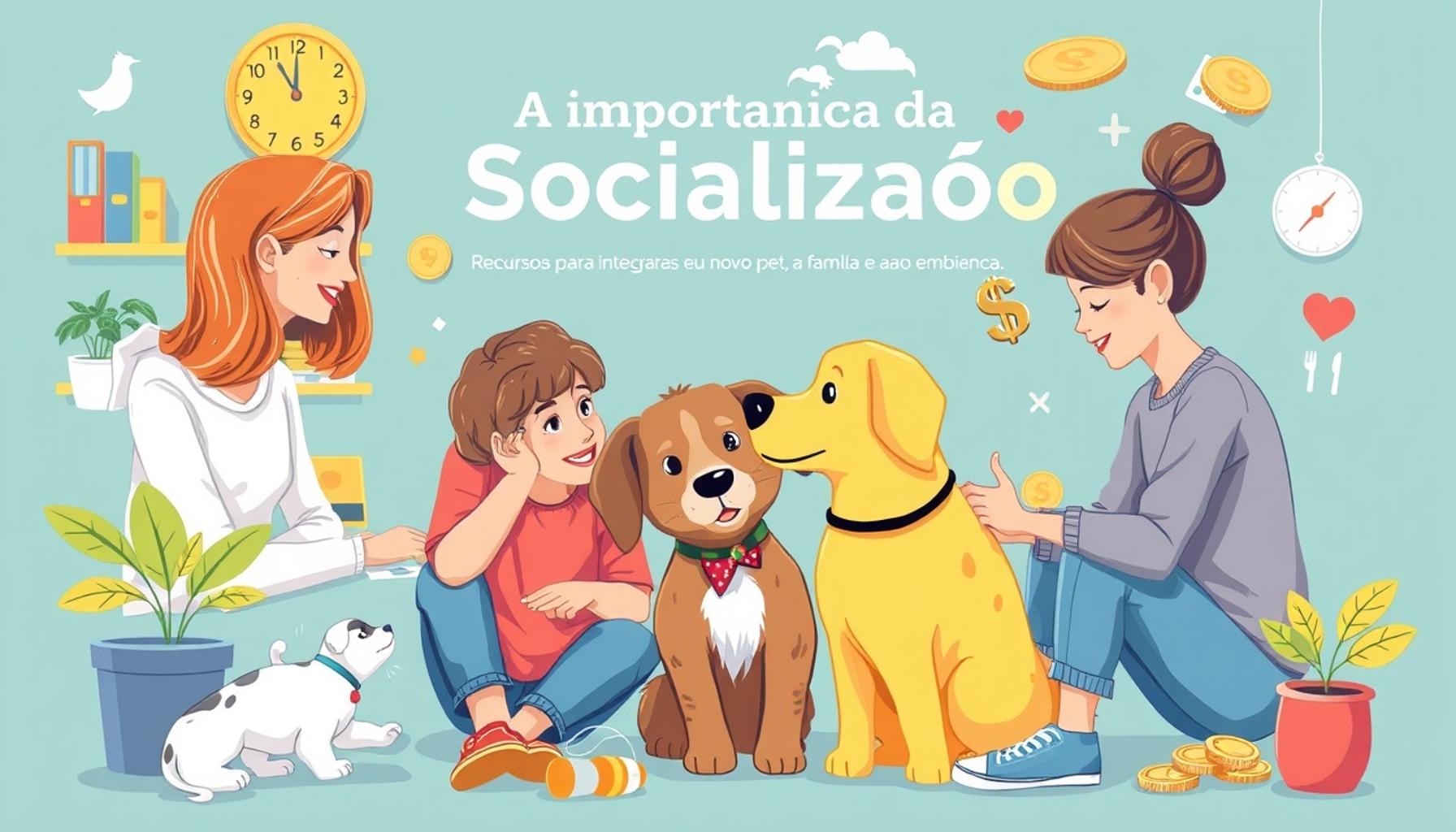
Understanding the Role of Socialization in Pets
Welcoming a new pet into your home is a momentous occasion. However, it’s crucial to understand that the journey doesn’t end once you bring your furry friend through the door. Socialization plays a fundamental role in helping your pet adjust to their new environment, ensuring they develop into well-rounded companions. It encompasses more than just interaction; it includes exposing your pet to a variety of experiences, settings, people, and other animals. This process is essential for their behavior and mental well-being.
Consider a scenario where a dog has never met another animal. If it suddenly encounters a barking dog in the park, the noise and unpredictability may trigger fear or aggression. Conversely, a socially adept dog—a pup that has been gradually introduced to different environments and interactions since a young age—would likely remain calm and curious in this new encounter. This illustrates how socialization can profoundly impact a pet’s behavioral responses.
Key Benefits of Socialization
Prioritizing socialization comes with an array of benefits:
- Reduces anxiety: A well-socialized pet is less likely to feel stressed in new situations. This not only enhances their quality of life but also creates a more enjoyable experience for families and visitors.
- Enhances confidence: Exposure to different environments boosts their self-assurance. For instance, taking your dog to a pet-friendly café or a busy park can significantly bolster their confidence as they navigate various sights and sounds.
- Encourages positive behavior: Social interaction helps curb aggressive tendencies and fosters friendly relations. Regularly scheduled playdates or join local dog parks can nurture essential skills in your pet, driving them toward friendly engagement rather than apprehension.
Moreover, integrating your pet into everyday family activities is essential for building strong bonds. Consider utilizing resources like local training classes and community events that are frequently held in pet-friendly venues. These can serve as excellent starting points for your socialization efforts.
Tailoring Socialization to Your Pet
Understanding the specific needs of your pet type—be it a dog, cat, or an exotic animal like a rabbit—will guide you in crafting an effective socialization plan. For example, while dogs may thrive in busy environments, certain cat breeds may require a more gentle and gradual exposure to different stimuli. Additionally, taking the age of your pet into account is crucial; younger animals generally adapt faster to new experiences compared to senior ones.
In summary, being proactive in socialization can lead to a happier, healthier, and more adaptable member of your family. Ensuring your pet is well-adjusted not only enhances their life but significantly contributes to the overall harmony of your household. Taking the time to socialize your pet effectively will yield countless rewards, making everyday moments a source of joy and connection.
Creating a Socialization Strategy for Your New Pet
Integrating a new pet into your home requires thoughtful planning when it comes to socialization. Understanding various strategies, resources, and activities can significantly help your pet adjust to their new surroundings. Remember, socialization is not just a one-time event; it’s an ongoing journey that adapts to your pet’s development and personality.
One effective strategy is to begin socialization as soon as possible. The critical socialization period for many pets, especially puppies, occurs from approximately three to sixteen weeks of age. During this phase, the foundation for future interactions is laid, making exposure to different environments, sounds, and people essential. Even for older pets, it’s never too late to begin the socialization process. Gradual exposure can ease anxiety and stress associated with unfamiliar situations.
Practical Socialization Activities
Here are some practical activities to incorporate into your daily routine that can enrich your pet’s socialization experience:
- Meet-and-Greet Sessions: Arrange controlled meet-and-greets with other well-mannered pets to facilitate safe interactions. This not only helps your pet learn proper behavior but also encourages engagement with other animals.
- Visit Pet-Friendly Spaces: Take your pet to dog parks, pet stores, or outdoor cafés where they can experience various sights, sounds, and smells. These trips can significantly impact their comfort level in busy environments.
- Incorporate Training Classes: Local training classes not only teach essential commands but also provide an excellent opportunity for your pet to socialize with other animals and people. Many communities host group classes for different skill levels, which can enhance both obedience and confidence.
- Participate in Community Events: Look for pet-friendly events in your area, such as fairs or charity walks. Engaging with a larger group allows your pet to experience new stimuli and helps them learn to navigate social situations.
Additionally, enriching your pet’s home environment is critical. Regularly introducing new toys, household items, and rotating activities can keep your pet stimulated and reduce the likelihood of behavioral issues stemming from boredom or anxiety. Try to incorporate scent trails, obstacle courses, or alert training exercises that encourage exploration and play.
Utilizing Resources for Successful Socialization
In today’s digital age, a wealth of resources is available to assist with pet socialization. Websites, online forums, and local animal shelters often provide valuable information on training classes and socialization techniques. You can also check your local community centers or parks for scheduled pet events that welcome furry family members. Joining social media groups dedicated to pet ownership can also yield helpful tips and advice from fellow pet parents.
By being proactive in your approach to socialization, you allow your new pet to thrive and adapt as a beloved member of your family. The paths you choose for their socialization will form the basis of their behavior and emotional health, making these early efforts invaluable in ensuring a harmonious household.
The Importance of Socialization: Resources to Integrate Your New Pet into the Family and Environment
For many pet owners, the journey of integrating a new pet into their home begins with understanding the critical role that socialization plays in creating a harmonious living environment. Whether it’s a playful puppy or a timid kitten, proper socialization helps pets adjust to their new homes and forms the foundation for their development as well-rounded companions. To ensure meaningful interactions, consider utilizing various resources that cater to the diverse needs of your pet.
| Category | Description |
|---|---|
| Training Classes | Structured programs that teach basic obedience and social skills through positive reinforcement. |
| Outdoor Socialization | Opportunities for your pet to encounter various environments, people, and other animals, fostering confidence and reducing anxiety. |
| Home Visits | Inviting friends and family over to meet your new pet, helps them feel more comfortable and engaged in various social settings. |
| Social Media Groups | Online communities where pet owners share experiences, tips, and local resources for better integration. |
Exploring these resources not only distracts pets from the stress of a new environment but also promotes healthy development. Understanding the importance of socialization in your pet’s life cannot be overstated; it leads to a happier pet and a more cohesive family. Remember, starting early is key, and the more varied your pet’s experiences, the better equipped they will be to face the world with confidence.
As you delve deeper into socialization methods, consider observing your new pet’s behavior closely. Each pet has a unique personality, and tailoring your approach to their specific needs will yield the best results. It’s essential to patiently introduce different experiences, ensuring a positive and rewarding atmosphere.
Ultimately, the aim is to foster a sense of belonging for your new family member, allowing them to thrive as an integrated part of your household. The bonds that form through this process enhance not only the life of your pet but also enriches family dynamics, creating joyful memories along the way.
Building a Support Network for Your Pet’s Socialization
Effective socialization of your new pet extends beyond individual activities; it involves creating a robust support network that fosters positive interactions and helps navigate challenges. Leveraging relationships with fellow pet owners, trainers, and experienced professionals can provide critical insight and support throughout your pet’s social journey.
The Role of Professional Trainers and Behaviorists
Enlisting the help of a professional trainer or behaviorist can significantly enhance your efforts in socialization. These experts not only offer structured training sessions but can also tailor approaches to your pet’s specific behaviors and needs. For instance, if your pet shows signs of fear in certain environments, a trainer can provide desensitization techniques and coping strategies that gradually acclimatize your pet to those stimuli.
Many training centers offer programs focused solely on socialization. These may include positive reinforcement methods, which encourage good behavior through rewards rather than punishment, making the experience enjoyable for both pet and owner. Furthermore, trainers often operate in group settings, allowing pets to interact with a diverse range of dogs and people, building confidence and adaptability in various scenarios.
Networking with Other Pet Owners
Connecting with fellow pet owners can also be incredibly beneficial. Join local pet groups, clubs, or online forums dedicated to pet care. Community gatherings, such as dog park meetups or breed-specific clubs, provide informal settings for socialization. Through these events, you can share experiences, gain insights, and learn valuable tips for integrating your pet into broader social contexts.
You might also consider setting up playdates with friends or neighbors who have friendly pets. This controlled environment allows for healthy interactions and can teach your pet important social cues in a safe space. However, it’s crucial to supervise these interactions to ensure they remain positive and stress-free for both pets.
Resources for Ongoing Education
Investing time in ongoing education about animal behavior and socialization can deepen your understanding of your pet’s needs. Numerous books, webinars, and podcasts explore the nuances of pet interactions. The Association of Professional Dog Trainers and the American Kennel Club both offer a plethora of online resources that can guide you through the complexities of pet socialization, offering expert advice and best practices.
Moreover, many local libraries and community colleges provide access to workshops and classes focused on pet training and socialization. Engaging in these educational opportunities not only benefits your pet but fosters a sense of community among pet owners, enriching your experience as you learn together.
Utilizing Technology for Socialization
Incorporating technology can also play a vital role in enhancing socialization efforts. Pet-focused apps can assist you in tracking your pet’s growth, recommending training exercises, or even connecting with nearby pet owners. Platforms like MeetUp and Facebook can connect you to local groups that organize dog walks, training sessions, or social events tailored to pet owners. These digital tools make it easier to cultivate social environments for your pet effortlessly.
By creating a multifaceted support network that includes professionals, fellow pet owners, and educational resources, you can ensure that your new furry family member not only integrates smoothly into your household but flourishes in their social development. With the right tools and community support, you pave the way for a well-adjusted, happy pet that thrives in various environments.
Conclusion
Understanding the importance of socialization for your new pet is crucial to fostering a healthy, happy, and well-adjusted companion. By creating a supportive environment that encompasses engaging activities, professional guidance, and community involvement, you enhance your pet’s ability to navigate various social settings. This journey not only benefits your furry friend but also strengthens the bond between pet and owner, enriching your shared experience.
Remember, socialization is not a one-time event but a continual process. Engaging with professional trainers, connecting with fellow pet owners, and utilizing educational resources allows you to stay informed about best practices in pet care and behavior. By leveraging technology for socialization, you open up avenues to connect with local pet communities and resources that can help your pet thrive.
As you integrate your new pet into your family and environment, embrace the challenges and triumphs of the socialization process. Each positive interaction builds confidence and adaptability, equipping your pet to face the world with assurance. With persistent effort and support, your new family member will not only learn to fit in but will flourish in their role as a beloved companion. In doing so, you create a vibrant, empathetic family dynamic that celebrates the unique joys of pet ownership.

Linda Carter
Linda Carter is a writer and specialist dedicated to creating clear, engaging, and accessible content about the world of pets. With experience in guiding pet owners toward better care, well-being, and quality of life for their animals, she shares useful information, practical tips, and valuable insights. Her mission is to help readers make more informed decisions and provide a healthier, happier, and more balanced life for their beloved companions.