
Pet Bird Behavior Training: Tips for Healthy Interaction
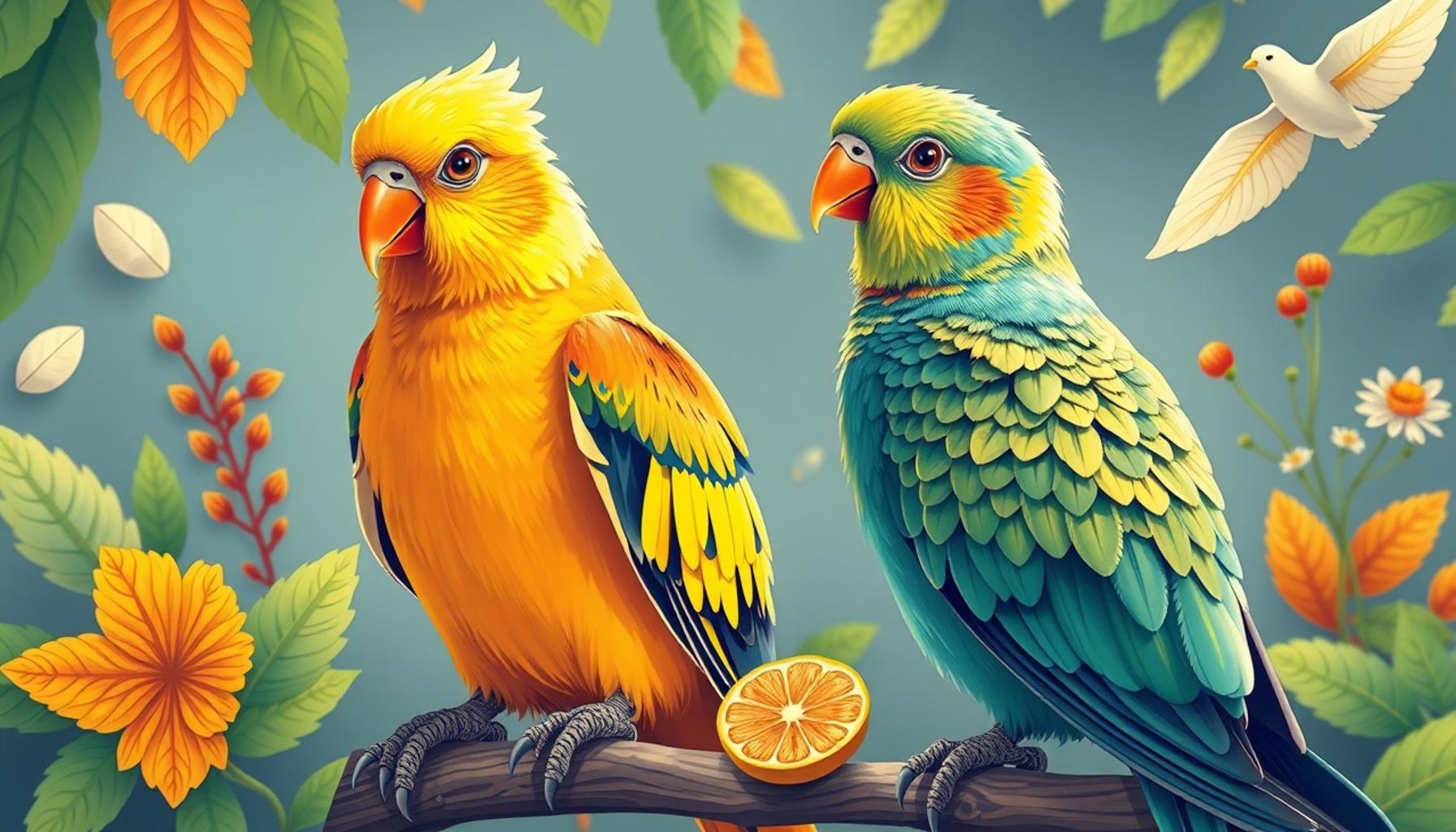
Understanding Your Feathered Friends
Pet bird behavior training is essential for fostering a healthy interaction between you and your avian companion. Birds are intelligent creatures with unique personalities, and understanding their behaviors can enrich your bond. This understanding not only improves the quality of your relationship but also helps in creating a safe and engaging environment for your pet. From chirpy parakeets to majestic macaws, each bird has distinct ways of communicating its feelings and needs.
Common Bird Behaviors
Recognizing typical behaviors helps you respond appropriately to your bird’s emotional state. Here’s a closer look at some common behaviors to observe:
- Chirping and Whistling: These vocalizations are often signs of happiness or excitement. A bird that chirps frequently may be feeling content in its surroundings, enjoying a favorite activity, or communicating with you. Engaging with them during these moments can further strengthen your bond.
- Feather Preening: When your bird diligently preens its feathers, it indicates a state of comfort and contentment. Preening is a natural behavior that helps birds maintain their plumage and regulate their body temperature. Noticing this behavior can reassure you that your pet feels safe in its environment.
- Beak Grinding: This rhythmic grinding of the beak is often a sign of relaxation, similar to a cat purring. You may notice this behavior when your bird is comfortable and even ready to sleep. It’s an excellent opportunity to bond quietly with your pet, reinforcing a sense of security.
Training Benefits
Engaging in behavior training with your bird yields numerous benefits that enhance your experience as a bird owner:
- Improved Communication: Training helps you understand your bird’s cues better. With consistent reinforcement, your bird can learn to ask for attention, food, or playtime, leading to fewer misunderstandings.
- Strengthened Bond: Simply spending time training your bird builds trust and affection between you. Positive experiences during training sessions can turn routine interactions into joyful moments that deepen your connection.
- Enhanced Social Skills: Birds are inherently social animals. When you invest time in their behavioral training, you’re not just teaching them commands; you’re encouraging positive social interactions. This is especially important if you have multiple birds or if your feathered friend will interact with other pets or humans.
This guide serves as an introduction to enhancing your pet bird’s behavior training. Incorporating these insights into your daily routine will provide you with a deepened understanding of your bird’s needs and personality. When you invest time in this way, you’ll create a harmonious environment, fostering a fulfilling relationship built on mutual respect and joy.
Moreover, consider joining local bird clubs or online forums where enthusiasts share their experiences and techniques. You may discover new strategies and insights that will enhance both your knowledge and your pet’s behavior.
Developing Effective Training Techniques
When it comes to pet bird behavior training, implementing effective techniques is crucial for cultivating a positive relationship with your feathered friend. Birds are not just beautiful companions; they are also highly intelligent animals capable of learning a variety of behaviors. By utilizing the right methods, you can transform everyday interactions into meaningful experiences that enhance your bird’s well-being and happiness.
Positive Reinforcement
One of the most effective approaches to bird training is the use of positive reinforcement. This method involves rewarding your bird for exhibiting desired behaviors, which encourages them to repeat those actions. Here are some key elements to consider when applying positive reinforcement:
- Timing: The reward must be given immediately after the desired behavior is displayed. This helps your bird associate the action with the reward effectively.
- Consistency: Use the same commands and rewards every time to ensure your bird understands what behavior is expected. This consistency aids learning and minimizes confusion.
- Variety of Rewards: Experiment with different types of rewards such as treats, toys, or verbal praise. Discover what excites your bird the most and tailor your training sessions accordingly.
Short, Engaging Sessions
Birds have shorter attention spans compared to other pets, so keeping training sessions brief yet engaging is essential. Aim for sessions lasting around 5 to 10 minutes a few times a day, gradually increasing the time as your bird becomes more familiar with the training. In addition, incorporate play and social interactions into training. This not only makes it enjoyable for your bird but also reinforces your bond during the learning process. Remember, if the session becomes overly lengthy or tedious for your pet, it can lead to disinterest or even anxiety.
Establishing Trust and Comfort
Before engaging in behavior training, it is crucial to establish a foundation of trust and comfort with your bird. This can be achieved through simple techniques such as:
- Gentle Handling: Spend time holding your bird gently without overwhelming it. This establishes a sense of safety and reassurance.
- Calm Environment: Choose a quiet space for training, free from distractions. A calm environment helps your bird feel secure and focused.
- Respect Their Space: Allow your bird to come to you on its terms. Forcing interaction can lead to stress and reluctance in training sessions.
As you begin your journey into pet bird behavior training, remember that patience is key. Your success will not only come from dedication but also from understanding the unique nature of your bird. By implementing these strategies, you pave the way for healthy interaction and meaningful companionship, making the experience both fulfilling and enjoyable.
| Advantage Category | Description |
|---|---|
| Positive Reinforcement | Encourages good behavior through rewards, making training enjoyable for both the bird and the owner. |
| Improved Bonding | Strengthens the human-animal connection, fostering trust and affection between the pet bird and its owner. |
Understanding the importance of effective behavior training can dramatically enhance your relationship with your pet bird. Training not only serves as a tool for correction but also enriches their everyday lives through positive interactions. Strategies such as utilizing treats or verbal praises during training sessions can significantly stimulate your bird’s cognitive functions and emotional wellbeing. Engaging with your pet through consistent training routines can assist in alleviating behavioral issues, making the home environment peaceful and enjoyable.Additionally, maintaining patience and understanding of your bird’s unique learning pace is vital. Each interaction presents an opportunity for growth, both for you and your feathered friend. It’s essential to remember, the goal of behavior training isn’t solely military-style obedience; it should be about mutual understanding and respect, leading to a fulfilling companionship. Exploring diverse training techniques and involving your pet in interactive games can foster an atmosphere rich in fun and mental stimulation.
Understanding Bird Body Language
To enhance pet bird behavior training, it is essential to understand and interpret your bird’s body language. Every small movement or change in posture can signify a variety of emotions, from joy to fear. Recognizing these subtle cues will help you tailor your training methods to better meet your bird’s needs.
Key Body Language Indicators
Birds communicate effectively through body language, and familiarizing yourself with these signals is vital for promoting healthy interaction:
- Fluffed Feathers: When birds fluff their feathers, it often indicates relaxation or comfort. This is a positive sign that your bird feels safe in its environment. On the other hand, tightly pressed feathers may signify stress or discomfort.
- Head Bobs: A bird that bobs its head is typically expressing excitement or eagerness. This is an excellent time to engage in play or initiate training. Be responsive to this enthusiasm, as it can lead to successful learning outcomes.
- Wing Position: If a bird raises its wings slightly, it might indicate a desire to fly or butting in for attention. Conversely, a bird that lowers its wings could be feeling threatened. Being attentive to a bird’s wing position can give insights into its current emotional state.
- Eye Pinning: Birds often exhibit rapid dilation and constriction of their pupils—known as eye pinning—when they are agitated or excited. If you notice this behavior, carefully assess the situation, as it can be a precursor to both playful and aggressive actions.
Building a Routine
Creating a consistent training routine not only boosts your bird’s mental stimulation but also establishes reliability within your interactions. Birds thrive on predictability, and setting scheduled training sessions can aid in their comfort and learning. Here are tips for developing an effective routine:
- Time of Day: Choose a time when your bird is naturally more alert and engaged. Many pet birds are most active in the morning and late afternoon. Aligning your training sessions with these peak times can enhance focus and receptivity.
- Daily Activities: Incorporate training into daily activities. For example, you might train your bird while preparing meals or during bird showers. This integration can help your bird relate training with positive experiences.
- Set Goals: Establish short-term and long-term training goals. This can include learning new tricks, improving social skills, or decreasing undesirable behaviors. Celebrating small milestones along the way reinforces positive behavior and strengthens your bond.
Socialization and Exposure
Socialization is a critical component of pet bird behavior training. Birds are inherently social creatures, requiring interaction with their humans and other pets to develop healthy behaviors. Here’s how you can effectively socialize your bird:
- Gradual Introduction to New Environments: Allow your bird to explore various safe environments. Gradually exposing them to new sights, sounds, and people can promote adaptability and reduce fearful behaviors.
- Structured Playdates: If possible, arrange playdates with other pet birds. Interaction with their peers can stimulate natural behaviors and boost confidence as they learn from one another.
- Interaction with Humans: Encourage family members and friends to spend time with your bird. This exposure will help improve social skills, reduce potential anxiety, and enhance your bird’s ability to interact positively with all humans.
Incorporating an understanding of bird body language, establishing a solid routine, and focusing on socialization into your training regimen fosters a healthier and more engaging relationship with your pet bird. By integrating these components into your approach, you’ll not only facilitate learning and behavioral improvement but also deepen the emotional bond you share with your avian companion.
Conclusion
Engaging with your pet bird requires a nuanced understanding of its needs and behaviors, and successful pet bird behavior training goes beyond simple commands. By mastering the art of effective communication through bird body language, you not only improve your training methods but also enhance the quality of your interactions. Recognizing signs of comfort or distress, such as fluffed feathers or wing positions, can directly influence the training environment, allowing you to respond appropriately and compassionately.
Establishing a routine fosters predictability, which is key for your bird’s mental well-being. Tailoring training sessions to their most active times and intertwining training with everyday activities can cement positive associations. This structure proves beneficial in developing a trusting relationship, further enriching your bond.
Furthermore, the importance of socialization cannot be overstated. Birds thrive on interaction, whether with their human companions or other avian friends. Creating opportunities for exposure to new environments and social situations can significantly boost your bird’s confidence and adaptability. Think of your journey in pet bird behavior training not just as a means to teach tricks, but as a collaborative endeavor aimed at nurturing a fulfilling life for your feathered friend.
As you refine your approach to training and bonding with your pet bird, consider exploring additional resources, communities, or specialized training programs. Every bit of new knowledge can further enrich your understanding and help create a nurturing home environment where both you and your bird can thrive. The joy of sharing your life with a pet bird is immensely rewarding—embrace the journey!

Linda Carter
Linda Carter is a writer and specialist dedicated to creating clear, engaging, and accessible content about the world of pets. With experience in guiding pet owners toward better care, well-being, and quality of life for their animals, she shares useful information, practical tips, and valuable insights. Her mission is to help readers make more informed decisions and provide a healthier, happier, and more balanced life for their beloved companions.