Natural Diet vs. Industrial Feed: What Is Better for Your Pet?
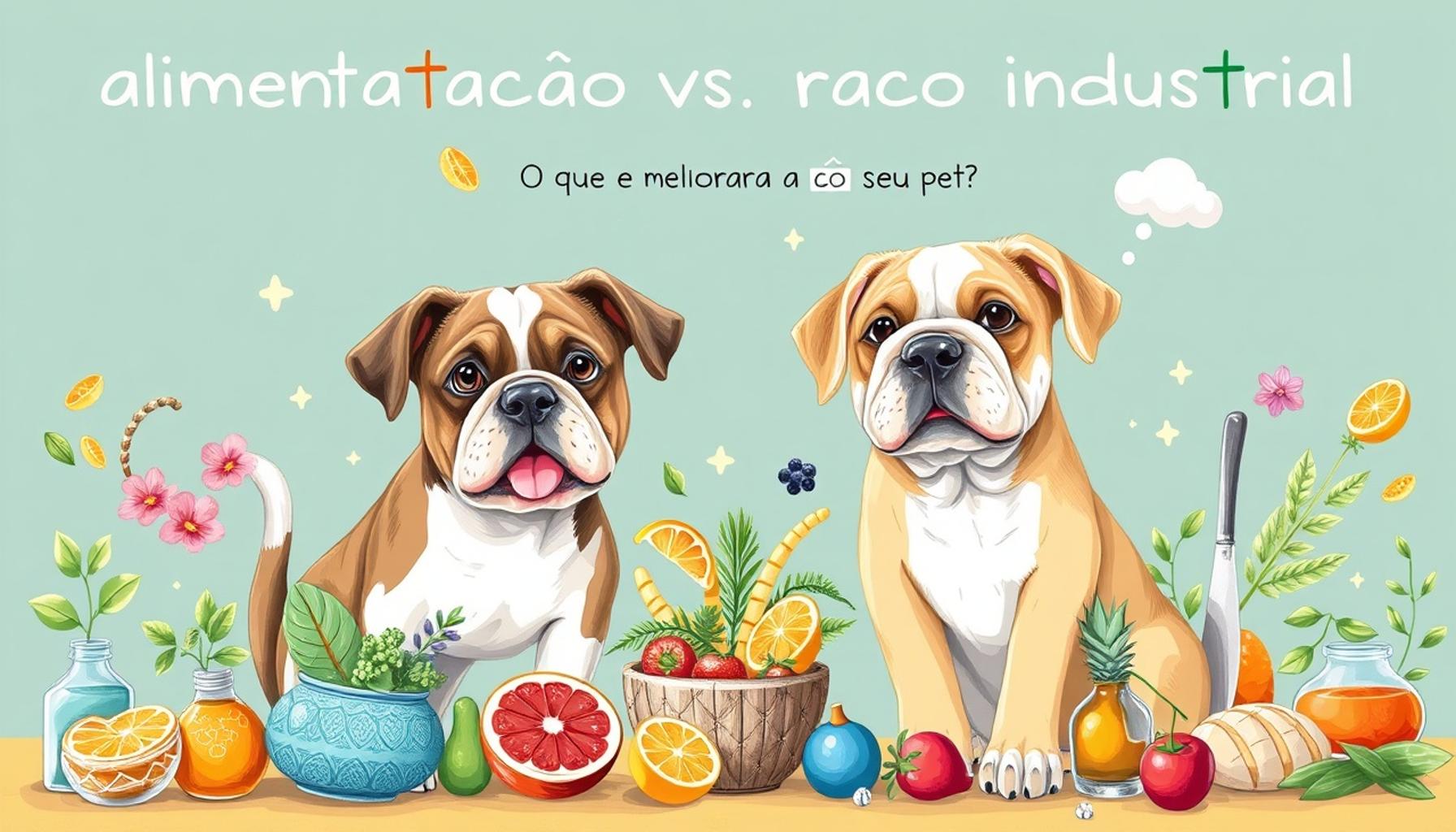
The Intricacies of Pet Nutrition
Choosing the right nutrition for your pet is crucial for their overall health and well-being. With so many options available, pet owners often find themselves torn between two main categories: natural diets and industrial feed. Each option presents unique advantages and potential drawbacks. It’s essential for pet owners to make informed choices as diet can significantly impact a pet’s health, longevity, and quality of life.
Natural Diet
- Whole Foods: This approach emphasizes fresh fruits, vegetables, and meats, allowing pets to consume a variety of nutrients in their most natural forms. Ingredients such as carrots, apples, and lean meats like chicken provide essential vitamins and minerals that processed options may lack.
- Minimal Processing: Natural diets are often free from artificial additives and preservatives that are present in many commercial pet foods. This means less likelihood of exposure to harmful chemicals and a diet that closely aligns with what an animal would eat in the wild.
- Customized Nutrition: With natural diets, pet owners have the flexibility to tailor meals according to their pets’ specific needs, such as allergies, sensitivities, or health conditions. For example, a dog with grain sensitivity might thrive on a diet rich in high-quality proteins and vegetables, specifically designed to avoid problematic substances.
Industrial Feed
- Convenience: Pre-packaged meals are designed to simplify the feeding routine for busy pet owners. These products can often be found in grocery stores or specialty pet shops, making them easily accessible.
- Cost-Effective: Industrial feeds are typically less expensive than most natural options, making them an appealing choice for pet owners on a budget. Bulk purchasing can further reduce costs, allowing for more sustainable long-term feeding solutions.
- Standardized Nutrition: Many industrial feeds are formulated to meet the nutritional requirements set by regulatory bodies such as the Association of American Feed Control Officials (AAFCO). This ensures that most commercial options deliver a consistent balance of nutrients required for a healthy diet.
As understanding of pet nutrition continues to evolve, factors such as lifestyle, age, and specific health conditions play an essential role in deciding what works best for your furry friends. While natural diets promote a holistic approach with fresh ingredients, industrial feeds offer practicality and affordability. Research indicates potential benefits to both approaches, but how do you determine which is better for your pet?
Engaging in discussions with veterinarians, checking ingredient labels, and observing your pet’s reactions to various diets can provide valuable insights. Additionally, online platforms offer a plethora of resources and community advice that can help pet owners make informed choices tailored to their pets’ needs. Join us as we delve deeper into the fascinating world of natural diets versus industrial feeds and uncover important insights that could influence your choice.
The Benefits and Considerations of Natural Diets
As pet owners increasingly seek to provide optimal nutrition for their furry companions, the appeal of natural diets continues to grow. Advocates of natural diets argue that they mirror the ancestral eating patterns of pets, leading to improved health and vitality. The incorporation of raw, whole foods such as lean meats, fresh vegetables, and fruits is a hallmark of this approach. Naturally, these ingredients are rich in vital nutrients that may be diminished or absent in more processed options.
Health Benefits of Natural Diets
- Digestive Health: Many pets experience fewer gastrointestinal issues when fed natural diets. Ingredients such as pumpkin and sweet potatoes are rich in fiber, promoting healthy digestion and reducing the risk of constipation.
- Shiny Coat and Healthy Skin: The inclusion of whole food ingredients provides essential fatty acids that can enhance skin health and result in a shiny, lustrous coat. Pet owners often report visible differences in their pets’ appearance shortly after switching to natural diets.
- Enhanced Energy Levels: Natural diets often lead to improved energy and vitality. Pets consuming high-quality proteins and nutrient-dense foods tend to exhibit heightened activity levels and better overall temperament.
Despite these potential advantages, transitioning to a natural diet isn’t without its challenges. Some pet owners worry about ensuring a complete and balanced nutrition profile, as home-prepared meals may inadvertently lack key nutrients. The added responsibility of meal preparation and ingredient sourcing can also be daunting, particularly for busy households. Furthermore, food safety must be a priority; the use of raw ingredients requires attention to proper handling and preparation to avoid risks associated with pathogens.
Environmental Considerations
Another layer to the debate between natural diets and industrial feed involves environmental impact. Many natural diet advocates emphasize sustainable sourcing of ingredients, focusing on local producers and organic farms. Such practices can greatly reduce the carbon footprint associated with feeding pets, contrasting with industrial feed production that often involves mass farming techniques.
For pet owners passionate about sustainability, the choice of a natural diet can align with their values, promoting an eco-friendly approach to pet care. As environmental concerns continue to rise, more pet owners are becoming conscious of how their choices affect the planet.
In summary, while the benefits of adopting a natural diet for pets are compelling, understanding the associated responsibilities and challenges is equally important. Each pet is unique, and what works for one may not be suitable for another. Proceeding with diligence and informed decision-making will help ensure that the transition to natural feeding is successful.
| Diet Type | Advantages |
|---|---|
| Natural Diet | Rich in vitamins and minerals, promoting overall health and vitality in pets. |
| Industrial Feed | Convenient and cost-effective, often fortified with added nutrients and preservatives. |
| Quality Control | Natural diets may involve fresh ingredients, reducing the risk of harmful additives. |
| Digestibility | Pets often find natural diets more digestible, leading to fewer gastrointestinal issues. |
As the pet food industry continues to evolve, the debate surrounding “Natural Diet vs. Industrial Feed” becomes increasingly relevant for pet owners. Pet guardians considering the advantages of a natural diet should note the importance of fresh, whole ingredients, which can lead to improved health outcomes. A natural diet often closely resembles the ancestral eating habits of pets, effectively providing essential nutrients that support a stronger immune system and enhanced energy levels.On the other hand, industrial feed appeals to many due to its affordability and convenience. These manufactured foods can be readily available and often undergo rigorous testing to ensure they meet regulatory standards. However, it’s critical to scrutinize individual brands, as not all industrial feeds are created equal. Understanding the ingredients can help pet owners make more informed choices tailored to the unique needs of their furry companions.Engaging in this discussion allows pet caregivers to uncover vital information that shapes their pets’ health. Considering both options enables a more balanced view in the quest for the best diet for one’s pet.
The Drawbacks and Considerations of Industrial Feed
While many pet owners find convenience in industrial feed, this category of pet food is not without its controversies. Often designed for mass production, industrial feeds can include a variety of ingredients that raise questions about their nutritional quality and long-term effects on pet health. These products typically contain highly processed components, preservatives, and fillers, which may lack the wholesome nutrients essential for a pet’s wellbeing.
Potential Health Risks of Industrial Feed
- Allergies and Sensitivities: Some pets develop adverse reactions to common ingredients found in industrial feeds, such as artificial colors, flavors, and certain grains like corn and soy. These allergens can lead to skin irritations, gastrointestinal issues, and other health problems.
- Obesity and Related Conditions: Many industrial feeds are higher in calories and lower in nutritional density, contributing to obesity in pets. Overweight pets are predisposed to various conditions, including diabetes, arthritis, and heart disease, which can significantly shorten their lifespan.
- Quality Control Issues: Though regulations exist, the quality control of industrial feed can vary significantly among brands. Instances of contamination or inclusion of substandard ingredients have been reported, raising concerns about the safety of these products.
For pet owners who prioritize convenience, the pre-packaged nature of industrial feed can be a compelling advantage. However, it is essential to scrutinize ingredient lists and choose brands that prioritize high-quality ingredients over fillers. The nutritional profile can significantly differ among brands, and consumers are urged to seek out those that provide transparent sourcing and detailed information about their formulations.
Economic Factors
When it comes to cost, industrial feed often presents a more budget-friendly option compared to natural diets. Economies of scale allow manufacturers to produce large quantities and offer competitive pricing. However, examining the long-term economic impact is crucial. While natural diets might seem pricier upfront, investing in better nutrition may reduce future veterinary costs associated with health complications arising from poor diet.
Moreover, consumer awareness is gradually reshaping the pet food market. As more pet owners advocate for better nutrition, many industrial feed brands are evolving and introducing premium lines that boast a higher quality of ingredients, organic options, and specialized formulas. This shift presents an opportunity for pet owners to find a middle ground in their quest for better nutrition.
The embrace of technology within the pet food industry contributes another layer to the industrial feed discussion. Some brands employ advanced processing methods that preserve nutrients while also ensuring safety standards. These innovations may signal a change in how industrial feeds are perceived, but it remains essential for pet owners to remain vigilant and informed about what they are feeding their pets.
Ultimately, the decision between a natural diet and industrial feed depends on a myriad of factors unique to the pet and owner, including lifestyle, budget, and personal convictions regarding animal welfare and sustainability. Understanding the nuances of each option will empower pet owners to make informed choices that align with their values and the specific needs of their pets.
Conclusion: Making the Best Choice for Your Pet
In the debate of Natural Diet vs. Industrial Feed, the decision ultimately hinges on individual pet needs, owner values, and the distinctive health considerations of each animal. While natural diets are championed for their focus on fresh, whole ingredients that align with a pet’s evolutionary needs, industrial feeds offer unmatched convenience and affordability that many pet owners appreciate. A key takeaway is the realization that not all industrial feeds are created equal; increasingly, brands are stepping up to meet consumer demands for quality through premium, transparent products.
As you navigate this important decision, consider factors such as your pet’s age, health concerns, and any dietary sensitivities. Moreover, keep an eye on the evolving pet food market—many industrial feeds now provide specialized formulas that attempt to balance convenience with higher nutritional standards. Whether you lean towards a natural approach or choose a reputable brand of industrial feed, it’s crucial to remain educated about ingredients and possible health implications.
Ultimately, your commitment to researching and understanding what you feed your pet will be the driving force behind their wellbeing. By prioritizing nutrition, being critical of marketing claims, and seeking veterinary guidance when necessary, you can confidently choose a diet that aligns with your ethical beliefs and supports your pet’s health. The wellbeing of your furry companion lies in choices made with care—so dive deeper into what each feeding regimen offers and advocate for their health today.

Linda Carter
Linda Carter is a writer and specialist dedicated to creating clear, engaging, and accessible content about the world of pets. With experience in guiding pet owners toward better care, well-being, and quality of life for their animals, she shares useful information, practical tips, and valuable insights. Her mission is to help readers make more informed decisions and provide a healthier, happier, and more balanced life for their beloved companions.